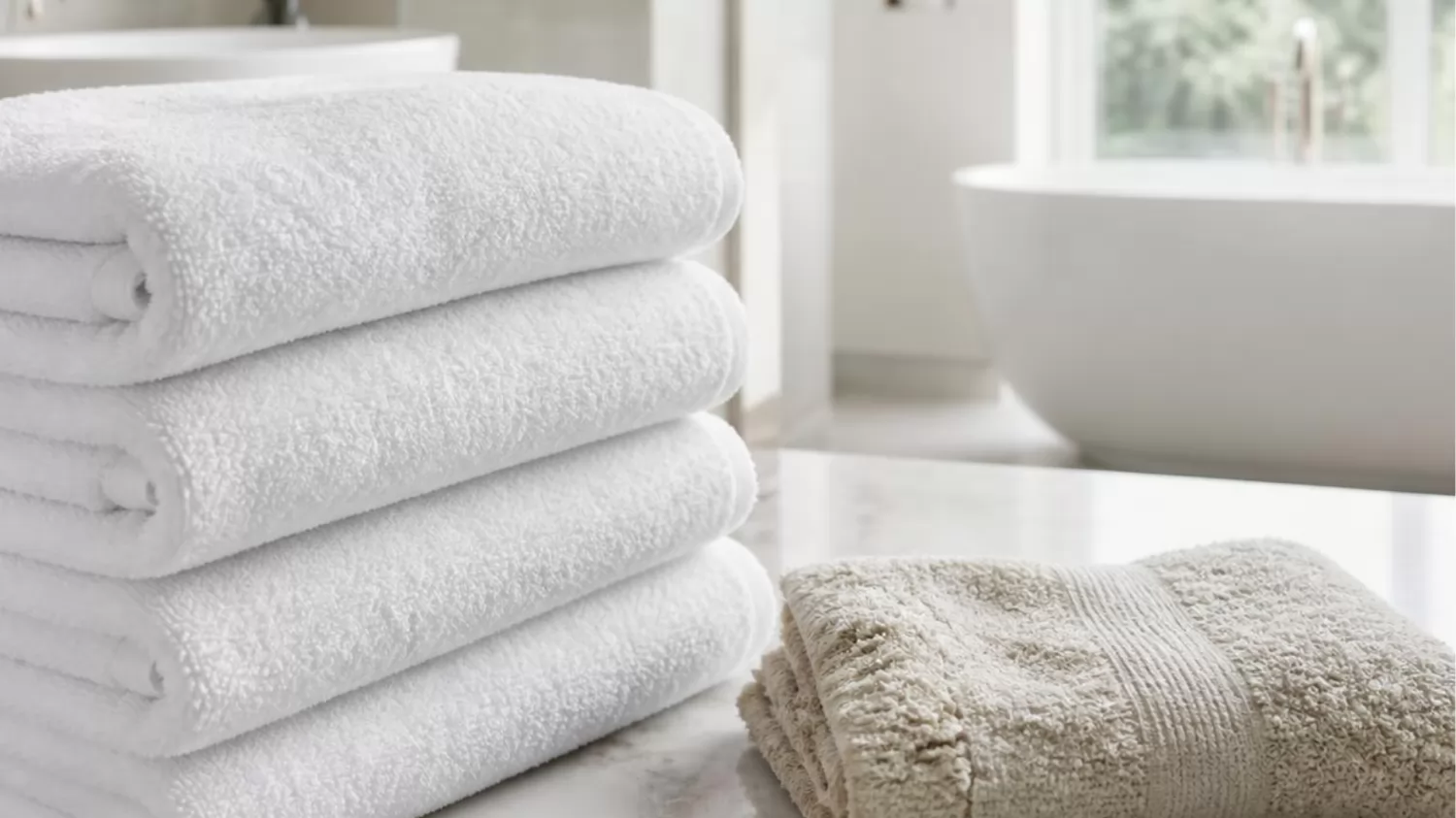
Towels play an important role in daily hygiene, yet many people continue using them long after their performance has declined. Understanding how often should you replace towels helps maintain cleanliness, comfort, and fabric quality while reducing the risk of unwanted bacteria buildup. Choosing durable textiles and following proper care routines can also extend their usable life.
How Long Do Towels Typically Last?
The average lifespan of a towel depends on its fiber quality, frequency of use, and maintenance routine. Most high quality towels remain comfortable and absorbent for two to five years when washed correctly and stored in a dry environment. Textile durability is often measured by fabric integrity and absorbency, both of which gradually decline over time. Premium cotton products generally retain their softness longer than lower quality alternatives. Towels manufactured with long staple cotton fibers experience less fiber breakage, allowing them to maintain their appearance and performance even after repeated washing cycles.
Signs It's Time to Replace Your Towels
Recognizing when a towel has reached the end of its lifespan helps maintain hygiene standards and everyday comfort. While proper care slows down wear, certain changes indicate that replacement is the more practical option.
-
Reduced absorbency even after proper washing.
-
Persistent odors that remain after laundering.
-
Frayed edges or thinning fabric.
-
Noticeable discoloration or permanent stains.
-
Rough texture caused by fiber deterioration.
These signs usually appear gradually rather than all at once. Monitoring towel condition instead of relying only on age provides a more accurate indication of when replacement becomes necessary.
How Often Should Different Types of Towels Be Replaced?
Different towels experience varying levels of wear depending on where and how they are used. Bath towels, kitchen towels, and specialty towels all have unique maintenance needs because moisture exposure and washing frequency differ significantly.
| Towel Type | Recommended Replacement Period |
| Every 2 to 5 years depending on usage. | |
| Every 1 to 2 years with frequent daily use. | |
| Every 1 to 2 years due to heavy washing. | |
| Around 3 to 5 years with proper care. | |
| Every 2 to 3 years depending on fabric condition. |
Regular inspection remains more reliable than following a strict calendar. Towels that retain absorbency, softness, and structural integrity can often remain in excellent condition beyond average replacement timelines.
Factors That Affect Towel Lifespan
Several variables influence how long towels remain functional. Fabric composition, laundering habits, drying methods, and storage conditions all contribute to overall durability and long term performance.Frequent exposure to excessive heat accelerates fiber degradation, while harsh detergents may reduce softness over time. Using appropriate wash temperatures, avoiding excessive fabric softener, and selecting products from reputable Turkey towel manufacturers can significantly improve product longevity and consistent performance.
How to Make Your Towels Last Longer
Extending towel lifespan begins with proper maintenance rather than frequent replacement. Small adjustments in washing and drying routines help preserve softness, absorbency, and overall fabric strength for years.
-
Wash towels according to the manufacturer's care instructions.
-
Avoid overloading the washing machine.
-
Dry towels completely before storing them.
-
Rotate multiple towel sets to reduce excessive wear.
-
Store towels in a clean and well ventilated space.
Preventive maintenance supports better textile performance by minimizing fiber fatigue . Consistent care also helps towels maintain their original texture and appearance over extended periods.
Why Turkish Cotton Towels Tend to Last Longer
Turkish cotton is widely recognized for its long fibers, which contribute to improved softness and durability. Longer fibers create stronger yarns with fewer exposed fiber ends, resulting in towels that resist pilling and maintain absorbency after repeated laundering. Many hospitality businesses choose products such as turkish towels hotel collection and bathrobes because they offer consistent quality under frequent commercial use. Their durable construction makes them suitable for environments where textiles are washed and reused on a daily basis.
When Replacing Your Towels Is the Better Choice
Even well maintained towels eventually lose their effectiveness as fibers naturally wear down over time. Once absorbency, softness, and hygiene can no longer be restored through proper laundering, replacing the towel becomes the most practical solution. Investing in premium quality towels reduces replacement frequency while providing greater comfort throughout their lifespan. Evaluating fabric condition regularly ensures better hygiene, improved drying performance, and a more satisfying everyday experience.