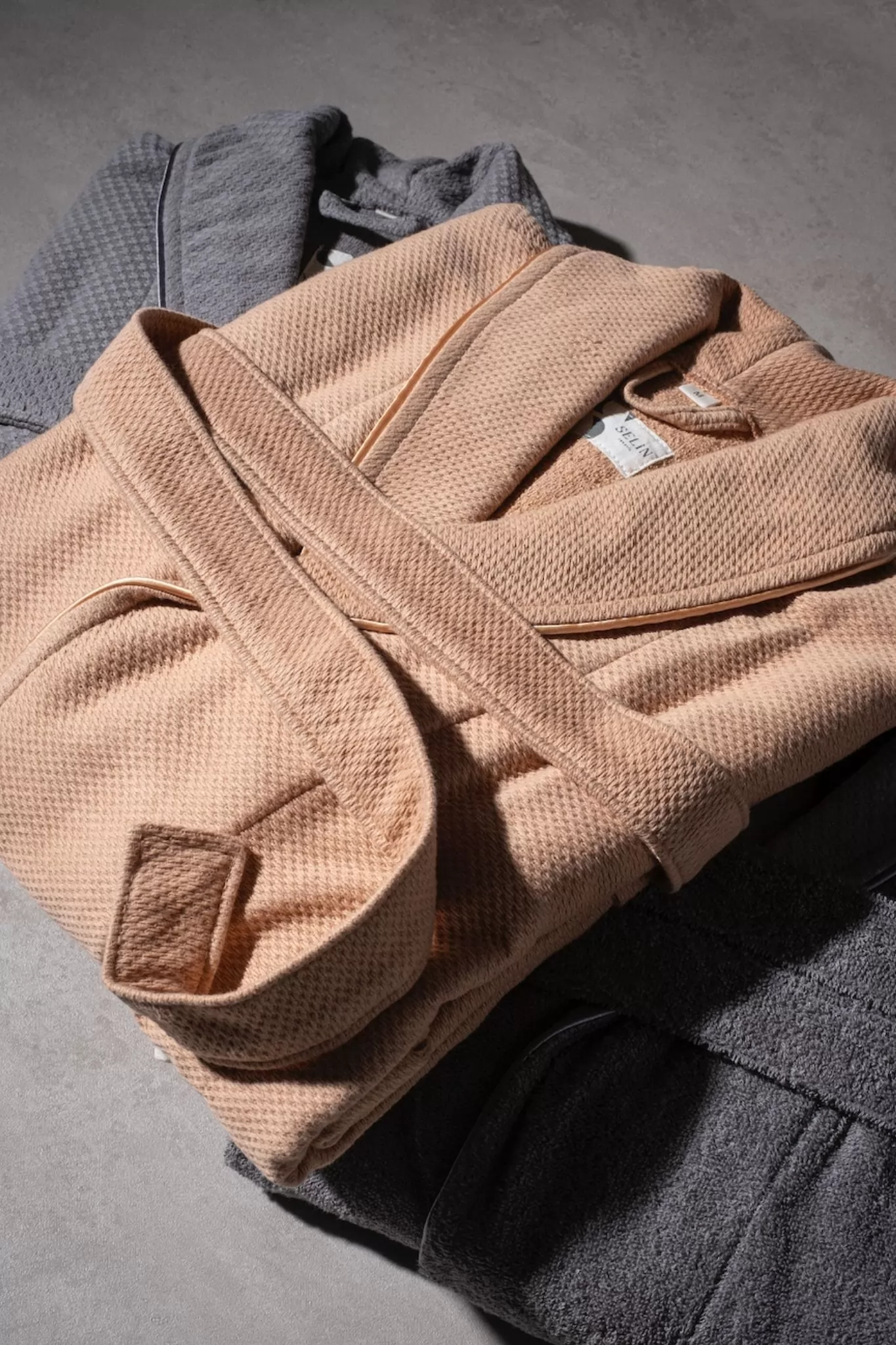
Towels in hotels are not just cleaning supplies; they are an integral part of the guest experience. They reflect standards of hygiene, comfort, and the overall ambiance. A high-quality towel leaves a strong first impression and helps maintain cost efficiency in the long run.
In a hotel environment, towels are washed frequently, used intensively, and come into contact with different guests every day. Therefore, factors such as durability, absorbency, and texture are of vital importance. Choosing the right towel increases guest satisfaction while extending the product's lifespan. Selecting the best towels for hotel use requires focusing not only on appearance and cost but also on essential technical details.
Cotton quality, GSM (grams per square meter), and suitability for specific uses form the foundation of this process. Additionally, choosing colors, sizes, and designs that align with the hotel's brand identity is crucial for creating a holistic experience. For this reason, the selection process must be handled with great care.
Core Features of Towels Designed for Hotel Use
Hotel towels must be more durable and functional than standard household towels. These towels are expected to withstand frequent use and industrial laundering. A high-performance towel should maintain its shape and softness even after dozens of washes. For hotel guests, a towel represents not only cleanliness but also comfort and perceived quality.
An ideal hotel towel should have the following features:
- High absorbency to quickly draw moisture away from the skin.
- A soft, plush texture for a luxurious feel at first touch.
- Resistance to frequent washing, preserving its color and structure.
- Minimal linting or fraying to ensure a clean and high-quality appearance.
- Robust stitching and reinforced edges for long-lasting use.
- Compatibility with industrial washing machines, ensuring efficiency in hotel laundries.
Towels with these features not only reduce operating costs but also improve the guest experience. Keeping these standards in mind during the procurement process is the key to providing consistent service quality.
Technical Factors to Consider When Choosing Hotel Towels
In high-traffic environments like hotels, choosing towels based solely on appearance is a costly mistake. Technical specifications directly affect the long-term performance of the towel. Ignoring these details can lead to premature wear and tear, reducing guest satisfaction and increasing replacement costs.
The key technical criteria are:
- GSM (grams per square meter) — indicates density and weight.
- Cotton type and fiber length — determines texture and durability.
- Size and intended use — each towel type has its own functional purpose.
- Color fastness and washing performance — extends the product's life.
- Weaving method and yarn quality — affect softness, absorption, and durability.
When evaluated properly, these factors help hotels select towels that offer long-term value and consistent comfort.
GSM (Grams per Square Meter)
GSM refers to the weight of the fabric per square meter and gives insight into a towel’s thickness and absorbency. Lower GSM towels are lighter and thinner, while higher GSM indicates denser, more luxurious fabric.
For hotel use, a range of 500–700 GSM is typically ideal. It provides a good balance between softness, durability, and practicality. Towels that are too thick may take longer to dry, while overly thin ones may feel inadequate. When ordering in bulk, request clear GSM information from the manufacturer — ideally, it should be included on the product label for easy reference.
Cotton Quality and Fiber Type
Cotton is the primary material in towels, and its fiber quality influences every aspect of the product. Long-staple cotton, such as Turkish cotton, is preferred due to its smooth texture, high absorbency, and durability. Fewer fiber joints in long-staple cotton also mean less pilling over time.
Towels containing synthetic blends may feel pleasant initially but tend to degrade faster. For professional-grade performance, 100% natural cotton with long fibers should be the top choice. This ensures better durability, less shedding, and a consistently soft feel after multiple washes.
Towel Sizes and Types
Selecting the appropriate towel size for different hotel spaces adds both aesthetic and functional value. Common towel types include:
- Bath towel – Standard size: 70×140 cm. Used for full-body drying.
- Hand towel – Usually 50×90 cm. Placed near sinks and washbasins.
- Bath mat / foot towel – Typically 50×70 cm. Laid on the floor post-shower.
- Face towel – Smaller size, ideal for delicate use.
Using different GSM levels and thicknesses for each type can help manage costs without compromising on guest comfort. Matching the design across all towel types also ensures a cohesive and professional look.
Choosing Towels That Match the Hotel Concept
Each hotel has its own identity and design concept, which should be reflected in towel selection. High-end hotels tend to favor thicker, high-GSM towels for added luxury. Boutique hotels may opt for unique colors and patterns that reflect their creative ambiance. In minimalist or eco-friendly properties, neutral tones and simple designs are often preferred.
Spas and wellness-focused venues prioritize softness and hygiene, often choosing antibacterial and easy-to-clean towels. Ultimately, towel choices should complement the hotel’s décor and align with guest expectations. When done right, they also reinforce the hotel’s brand image.
What to Consider When Ordering in Bulk
Hotels purchasing towels in large quantities must make informed decisions to ensure both quality and budget efficiency. Key considerations for bulk orders include:
- Check quality certifications and test product samples if possible.
- Verify the supplier's references and reputation in the industry.
- Evaluate the price-performance ratio; the cheapest option is rarely the best value.
- Confirm essential specifications such as GSM, cotton quality, and weave type in advance.
- Plan logistics and delivery times to prevent operational delays.
- Examine after-sales support and warranty options; these are vital for long-term supplier relationships.
Following these points helps reduce the need for frequent replacements and increases operational efficiency.
Why Quality Towels Are Important for Guest Satisfaction?
In hospitality, small touches make a big impact. A soft, absorbent, and high-quality towel reflects professionalism and care. Guests not only notice the comfort but also associate it with cleanliness and attention to detail.
Low-quality towels can become stiff, pill, or lose their appearance quickly—all of which create a negative impression. On the other hand, premium towels improve the overall guest experience and contribute to positive reviews and repeat visits.
In short, towel quality is not just a product feature; it is a cornerstone of guest perception and loyalty in the hospitality industry.