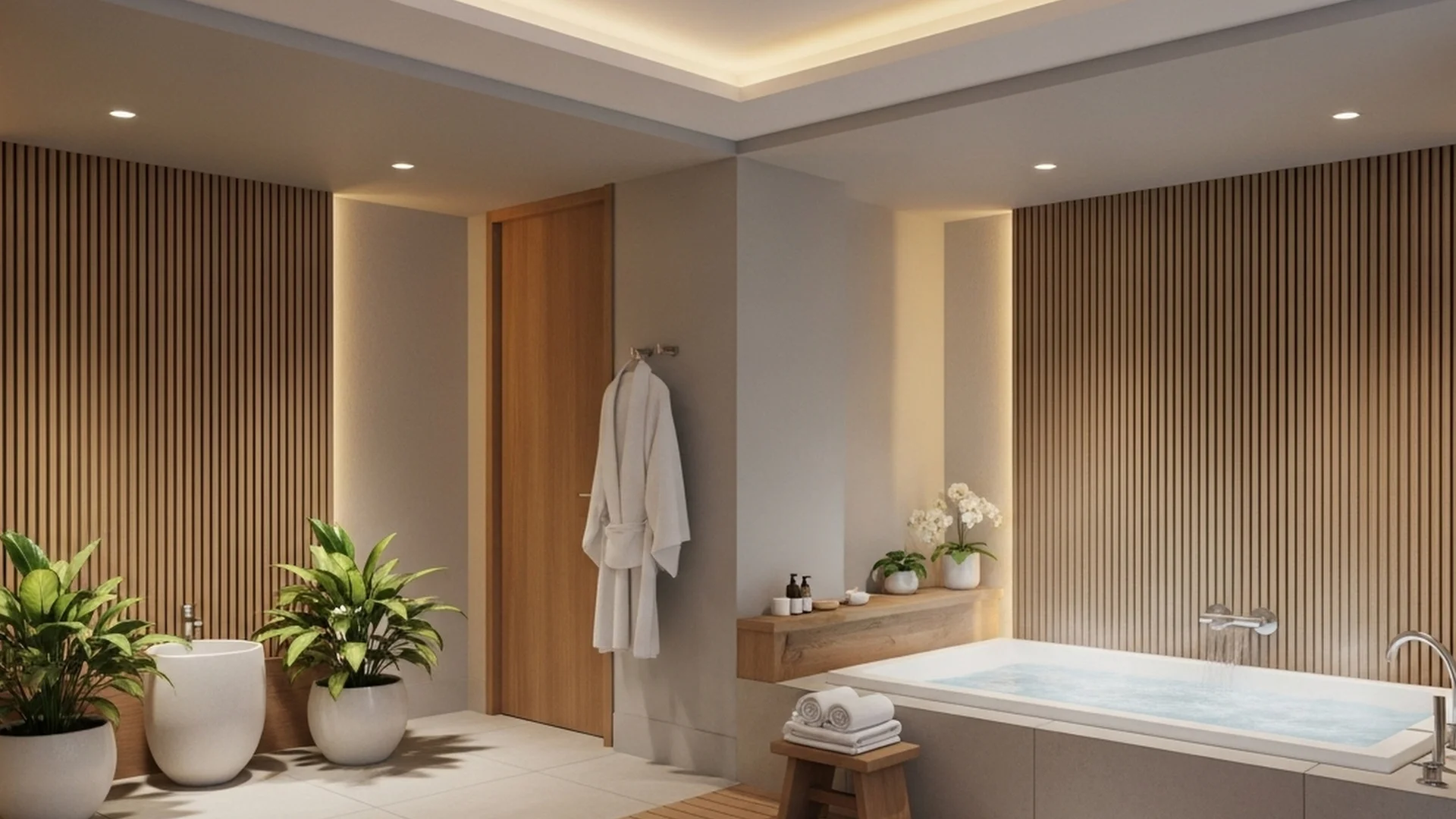
Spa operations require far more than relaxing ambiance and aesthetic design. Behind every treatment room and wellness facility lies a structured compliance system that protects guest safety, ensures hygiene consistency, and safeguards brand reputation. A well-prepared audit checklist allows spa managers to identify operational gaps before they become risks. Especially in hotel-based spas, alignment with broader hotel quality standards is essential for maintaining overall service credibility. Below are the core control areas included in a professional spa audit framework.
Hygiene and Sanitation Standards
Hygiene forms the foundation of spa compliance. Since treatments involve direct skin contact, sanitation protocols must be clearly documented and consistently applied. Surfaces, massage tables, tools, and high-touch areas require routine disinfection.
Special attention should be given to textile circulation. Items such as robes, sheets, and spa towel must follow strict laundry rotation and storage standards. Improper textile handling can compromise both hygiene perception and regulatory compliance. Clear separation between clean and used materials is a non-negotiable audit requirement.
Maintaining visible cleanliness is important, but documented sanitation procedures are what truly determine compliance success.
Treatment Room Inspection Criteria
Treatment rooms must meet operational, hygienic, and ergonomic standards. Lighting, ventilation, temperature control, and privacy conditions are evaluated during inspections.
Audit controls typically focus on:
-
Cleanliness of treatment beds and equipment
-
Proper storage of oils and cosmetic products
-
Waste disposal procedures
-
Emergency access and safety visibility
A treatment room should feel calming to the guest while simultaneously meeting strict operational standards behind the scenes.
Linen and Inventory Control Procedures
Textile management directly affects both hygiene quality and cost control. Spas must maintain accurate inventory tracking for sheets, robes, slippers, and towels.
Key review areas include:
-
Laundry disinfection processes
-
Textile lifespan monitoring
-
Storage ventilation conditions
-
Inventory documentation accuracy
For example, insufficient rotation of an towel can lead to premature wear and negative guest feedback. Structured tracking systems prevent both hygiene risks and unnecessary financial losses.
Staff Grooming and Operational Protocols
Professional appearance and behavioral standards are essential in spa environments. Therapists must follow clear grooming guidelines and maintain personal hygiene at all times.
Audits typically review:
-
Uniform cleanliness
-
Personal hygiene standards, including el cleanliness before and after treatments
-
Communication etiquette
-
Treatment procedure compliance
Since spa services involve close physical interaction, personal presentation and hygiene protocols directly influence guest trust.
Health and Safety Compliance Requirements
Health and safety compliance protects both staff and guests. Emergency procedures, first aid availability, and risk assessment documentation are critical components of a spa audit.
Inspection areas often include:
-
Fire safety equipment accessibility
-
Chemical storage standards
-
Slip prevention measures in wet zones
-
Incident reporting procedures
Particular attention must be paid to high-moisture areas such as the banyo and steam rooms, where slip hazards and ventilation risks are more common. Proper flooring materials and drainage systems significantly reduce accidents.
Equipment Maintenance and Calibration
Spa equipment must function safely and efficiently. Massage devices, hydrotherapy systems, and skincare machines require periodic inspection and calibration.
Audit documentation should confirm:
-
Scheduled maintenance records
-
Calibration verification
-
Manufacturer compliance standards
-
Immediate reporting of technical faults
Preventive maintenance ensures uninterrupted service delivery and reduces liability risks.
Locker Rooms and Wet Area Inspection
Locker rooms and wet areas are high-traffic zones that demand strict hygiene monitoring. Surfaces, seating areas, showers, and flooring must be sanitized regularly.Auditors assess ventilation performance, drainage systems, and the condition of textiles provided to guests. The presentation and freshness of each bathrobes in locker areas strongly influence perceived cleanliness standards. Consistent oversight in these areas prevents both hygiene complaints and operational inefficiencies.
Documentation and Audit Record Keeping
Accurate documentation is essential for proving compliance. Cleaning logs, maintenance schedules, staff training records, and incident reports must be updated and easily accessible. Well-maintained records demonstrate operational transparency and simplify regulatory inspections. Incomplete documentation, even when standards are met operationally, can negatively impact audit results.
Guest Experience and Service Quality Checks
Beyond compliance, the spa experience must meet service quality expectations. Audits often include observation of booking efficiency, treatment consistency, and staff communication. Guest feedback analysis helps identify recurring concerns and service gaps. A balance between relaxation atmosphere and operational discipline is critical for long-term reputation management.
Sustainability and Environmental Compliance
Environmental responsibility has become a strategic priority in wellness operations. Water conservation systems, energy-efficient lighting, and eco-friendly product sourcing contribute to both compliance and brand positioning. Textile reuse programs, responsible laundering practices, and waste reduction initiatives further strengthen sustainability performance. These efforts not only reduce operational costs but also appeal to environmentally conscious guests.
A structured spa audit checklist functions as a preventive management tool rather than a reactive control mechanism. From hygiene protocols and textile management to safety compliance and sustainability practices, each inspection area contributes to operational stability. Careful monitoring of treatment rooms, wet areas like the banyo, staff hygiene practices including el cleanliness, and proper handling of every hand towel ensures both regulatory compliance and elevated guest trust. Consistent auditing ultimately strengthens service quality, protects brand reputation, and supports long-term operational excellence.