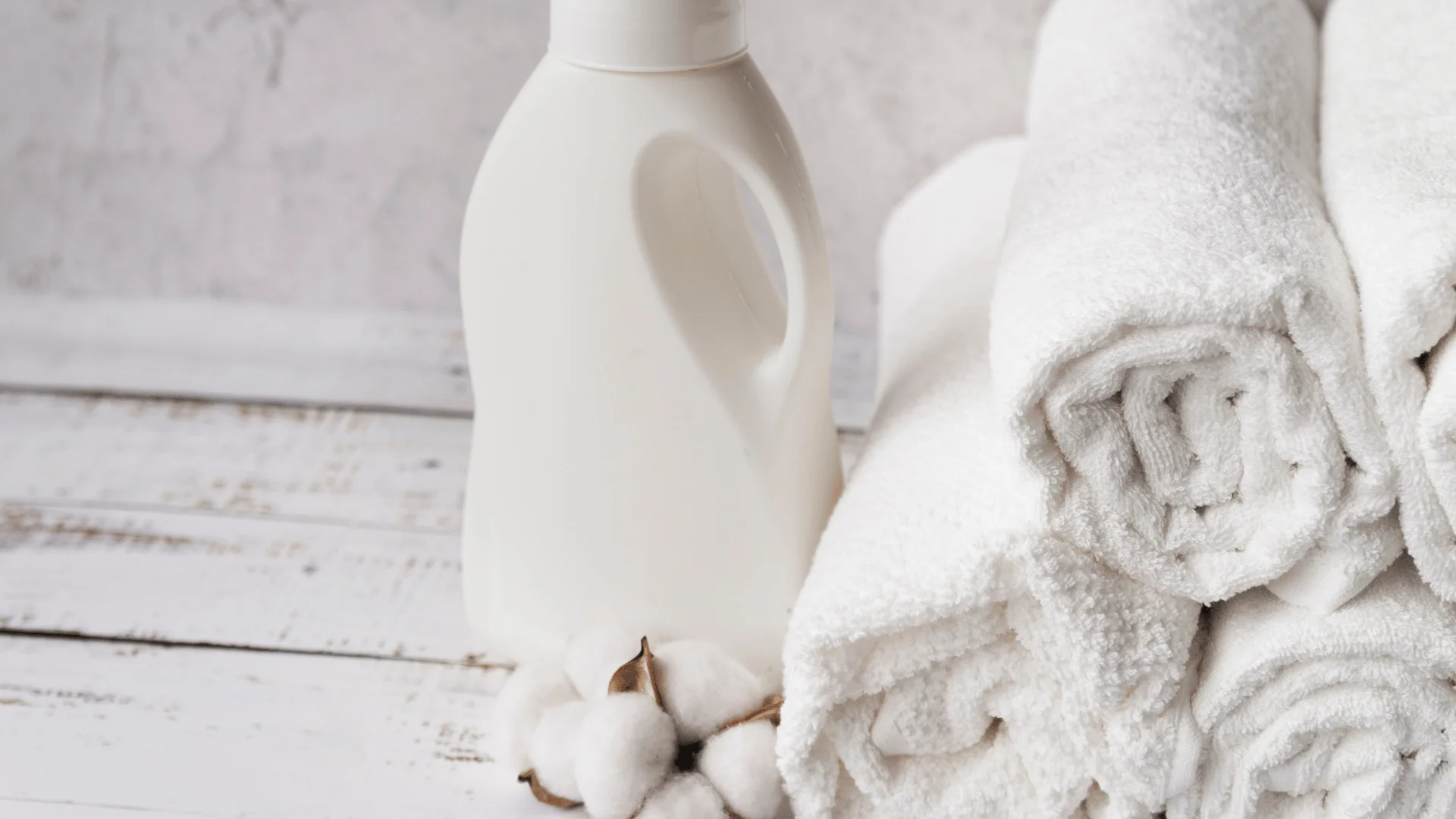
Soft and absorbent towels are essential for both household comfort and commercial hospitality standards. Over time, however, towels can become rough, stiff, and less effective at absorbing moisture. This problem is usually connected to washing habits, water quality, fabric structure, and drying conditions rather than simple product age.
Towel hardness is especially common in hotels, spas, gyms, and restaurants where textiles are washed repeatedly under industrial conditions. Businesses working with a professional hotel towel manufacturer often focus on fabric durability and maintenance recommendations to reduce stiffness and extend towel lifespan.
Hard Water Mineral Build-Up
Hard water is one of the leading reasons towels lose their softness over time. Minerals such as calcium and magnesium remain trapped within the cotton fibers after washing, gradually creating a rough and rigid texture. This build-up also reduces absorbency because the minerals block the fabric’s natural ability to retain water.
In regions with high mineral content in the water supply, towels often become stiff much faster. Commercial laundries frequently install water-softening systems to help protect textile quality and maintain a softer surface after repeated washing cycles.
When mineral accumulation continues for long periods, towels may also appear dull or faded. Proper water treatment can significantly improve both fabric feel and long-term towel performance.
Excessive Detergent Usage
Using too much detergent does not necessarily result in cleaner towels. In many cases, excess detergent remains trapped inside the fibers, causing the fabric to harden after drying. Thick detergent residue can also reduce airflow between cotton fibers, making towels feel heavier and rougher.
Commercial laundry systems often require carefully measured detergent levels based on towel weight and washing capacity. Overloading detergent is especially problematic in industrial environments where hundreds of towels are cleaned daily.
Reducing detergent quantities and using proper rinse cycles can help towels regain some softness over time. Balanced washing practices protect both fabric texture and absorbency.
Overuse of Fabric Softener
Fabric softeners are designed to create a smoother texture, but excessive use can produce the opposite effect. Over time, softener residue coats the towel fibers and limits their natural absorbent structure. This coating creates stiffness while also reducing drying efficiency.
Many hospitality businesses avoid heavy softener usage because towels need to maintain strong moisture absorption during daily use. Cotton fibers naturally perform better when they remain free from thick chemical layers.
Instead of relying heavily on softeners, many textile professionals recommend occasional vinegar rinses to help remove residue and refresh towel texture naturally.
High Heat During Drying
Excessive drying temperatures can damage cotton fibers and cause towels to feel rough or brittle. High heat removes moisture aggressively, weakening the natural flexibility of the fabric over time. This issue becomes more noticeable in industrial dryers operating continuously throughout the day.
Cotton fabrics respond best to moderate drying temperatures combined with proper airflow. Controlled heat helps preserve softness while preventing unnecessary fiber stress. Overheated towels may also shrink faster and lose their original texture.
For commercial businesses, proper drying settings are just as important as the washing process itself. Balanced heat management supports longer-lasting textile quality.
Poor-Quality Cotton Fibers
The quality of cotton used during production directly affects how towels age after repeated washing. Lower-grade fibers tend to break down more quickly, creating a rough surface and weaker absorbency. Towels made with shorter cotton fibers often lose softness within a relatively short period.
Higher-quality cotton fabrics maintain their structure longer because the fibers are smoother and more durable. This is one reason why many premium hospitality businesses invest in luxury turkish towels for long-term comfort and appearance.
Fiber quality also impacts lint production, drying speed, and resistance to wear. Better cotton construction generally results in towels that remain softer after extensive use.
Insufficient Rinsing
Rinsing is a critical part of towel maintenance that is often overlooked. When towels are not rinsed thoroughly, detergent, minerals, and chemical residue remain trapped inside the fibers. Over time, this accumulation causes stiffness and unpleasant texture changes.
Industrial washing environments sometimes shorten rinse cycles to save time or reduce water consumption. While this may improve operational speed, it can negatively affect towel quality in the long run.
Adding an extra rinse cycle occasionally can help remove leftover residue and improve fabric softness. Proper rinsing also supports better hygiene and fresher-smelling towels.
Frequent Industrial Washing
Commercial towels are exposed to much heavier washing frequencies than residential products. Hotels, spas, gyms, and restaurants may wash the same towel dozens or even hundreds of times within a relatively short period. Constant washing gradually weakens cotton fibers and contributes to roughness.
Industrial chemicals, high-capacity machines, and aggressive drying conditions can accelerate this process further. Even high-quality towels eventually lose softness if maintenance routines are not optimized carefully.
Rotating towel inventory properly and following recommended textile care procedures helps reduce unnecessary wear. Consistent maintenance extends usability and preserves comfort longer.
Using Incorrect Washing Programs
Choosing the wrong washing settings can damage towel fibers over time. Programs designed for delicate garments may not remove detergent effectively, while overly aggressive cycles can stress cotton fibers and reduce softness.
Temperature selection is also important. Extremely hot water can weaken fibers, while very cold water may fail to dissolve detergent properly. Balanced washing programs help maintain both cleanliness and fabric flexibility.
Commercial laundries typically adjust washing cycles based on towel thickness, fabric density, and usage intensity. Proper machine settings support better long-term textile performance.
Low Absorbency Cotton Fabrics
Some towels become hard more quickly because the fabric itself has limited absorbent capacity. Low-absorbency cotton fabrics often struggle to manage moisture effectively, leading to residue accumulation and faster texture deterioration.
Lightweight or poorly woven towels may initially feel soft but lose performance rapidly after repeated washing. Fabric density and yarn structure both influence how well towels maintain softness over time.
Businesses purchasing towels for high-volume use usually prioritize absorbent and durable cotton structures to reduce replacement frequency and maintain consistent quality standards.
Lack of Proper Towel Maintenance
Even high-quality towels require regular maintenance to preserve their softness and performance. Incorrect storage, poor drying habits, and inconsistent washing routines all contribute to towel hardening over time.
Proper towel care generally includes:
-
Avoiding excessive detergent use.
-
Using moderate drying temperatures.
-
Ensuring complete rinse cycles.
-
Separating towels from rough fabrics during washing.
-
Preventing long-term moisture retention after use.
Small maintenance improvements can significantly extend towel lifespan while preserving comfort and absorbency. Whether in homes or commercial facilities, consistent care practices remain one of the most effective ways to keep towels soft and functional for longer periods.