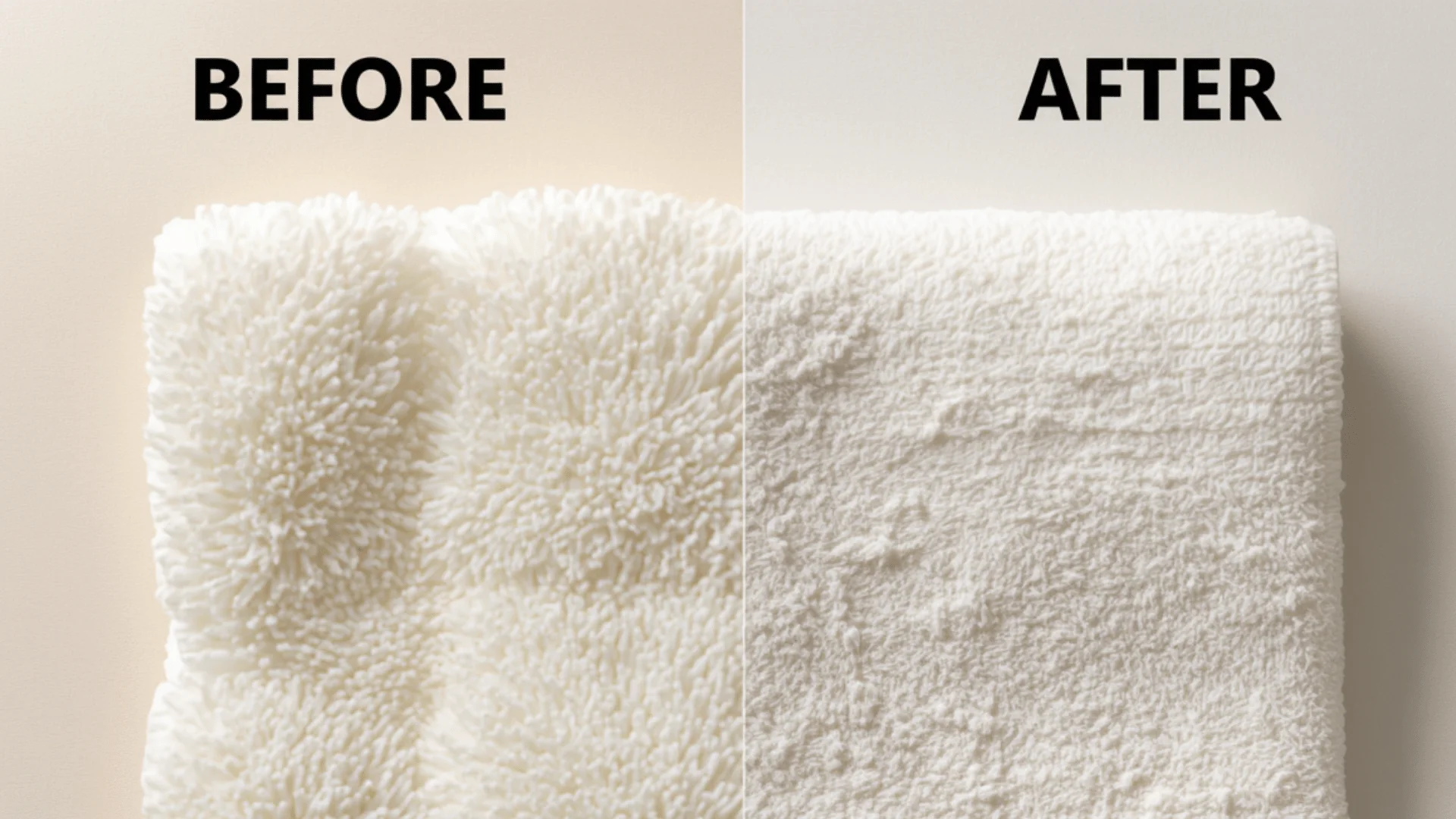
Towels are exposed to constant washing, moisture, heat, and cleaning chemicals, which makes discoloration a common problem in both residential and commercial environments. Fading, yellowing, dark spots, or uneven color changes usually develop gradually due to washing conditions, water quality, and fabric composition.
For hotels, spas, gyms, and large hospitality operations, maintaining towel appearance is essential because textile quality directly affects customer perception. Businesses sourcing products from an experienced bath towel manufacturers partner often focus on color durability and long-term fabric performance to reduce visible wear.
Hard Water and Mineral Deposits
Hard water contains minerals such as calcium and magnesium that can accumulate inside towel fibers over time. These deposits often leave towels looking dull, faded, or slightly yellow after repeated washing cycles. Mineral build-up also affects absorbency and can make fabrics appear older than they actually are.
Commercial laundry facilities in hard water regions commonly use water treatment systems to help preserve towel color consistency. Without proper water management, even high-quality towels may experience uneven discoloration.
Regular deep rinsing and balanced washing programs can help reduce mineral accumulation and maintain a cleaner appearance for longer periods.
Excessive Bleach Usage
Bleach is frequently used to sanitize towels, especially in hospitality and healthcare environments, but excessive use can damage fabric color permanently. Strong bleach exposure weakens dye particles and causes uneven fading, particularly on darker or colored towels.
Repeated bleaching may also weaken cotton fibers, making towels appear thin and worn. Many businesses now reduce chlorine-based cleaning methods to preserve both color and fabric structure over time.
Using bleach only when necessary and following proper dilution guidelines helps minimize discoloration while maintaining hygiene standards.
Low-Quality Dyes and Poor Color Fastness
Color fastness refers to how well a fabric retains its original color after repeated washing and exposure to heat or chemicals. Towels produced with low-quality dyes often lose vibrancy quickly because the pigments do not bond effectively with the cotton fibers.
Professional textile manufacturers typically use advanced dyeing techniques to improve resistance against fading and washing damage. High-quality production standards are especially important in commercial settings where towels undergo continuous laundering.
Poor dye quality not only affects appearance but can also create inconsistent branding for hotels, spas, and hospitality businesses relying on visually uniform textiles.
Frequent Industrial Washing
Industrial laundry environments expose towels to intense washing cycles far more often than household use. Continuous washing, spinning, chemical exposure, and drying gradually break down fabric color and surface texture.
Hotels and large facilities may wash the same towel hundreds of times during its lifespan. This repeated processing accelerates fading, especially when combined with strong detergents and high drying temperatures. Businesses that invest in durable textile products often experience slower color deterioration and reduced replacement costs over time.
High Washing Temperatures
Very hot water can weaken dye stability and cause towel colors to fade faster. While high temperatures help remove bacteria and stains, excessive heat also affects cotton fibers and gradually damages the fabric surface. Most cotton towels maintain color more effectively when washed at balanced temperatures appropriate for the fabric type. Overheating fabrics repeatedly can also increase shrinkage and roughness. Commercial laundries carefully adjust washing temperatures depending on towel color, usage environment, and sanitation requirements to protect long-term textile quality.
Detergent Residue Build-Up
Excess detergent can remain trapped inside towel fibers when rinse cycles are insufficient. This residue gradually creates dullness and uneven discoloration, especially on lighter-colored towels.Detergent build-up may also react with minerals in hard water, producing visible staining or grayish tones over time. Towels that appear dirty even after washing are often affected by residue accumulation rather than actual stains.Balanced detergent use and proper rinsing help maintain brighter and more consistent towel colors.
Exposure to Direct Sunlight
Sunlight naturally helps dry towels, but prolonged exposure to direct UV rays can fade colors gradually. Brightly colored towels are especially vulnerable because ultraviolet light breaks down dye pigments over time.Outdoor drying is common in many hospitality and residential environments, but excessive sun exposure may create uneven fading patterns. Dark-colored towels usually show this damage more visibly. Moderate drying conditions help preserve color stability while still allowing fabrics to dry efficiently and hygienically.
Improper Sorting During Laundry
Mixing towels with heavily dyed garments or different fabric types during washing can transfer color between textiles. White towels are particularly vulnerable to discoloration when washed together with dark fabrics.Proper sorting practices are essential in both household and commercial laundry systems. Separating towels by color and fabric type reduces dye transfer and maintains a cleaner overall appearance.Consistent sorting routines also help protect towel texture and improve washing efficiency over time.
Chemical Reactions from Skincare Products
Certain skincare products contain ingredients that react with towel dyes and fabrics. Acne treatments, facial cleansers, hair products, and cosmetics may bleach or stain towels after repeated contact. Benzoyl peroxide is one of the most common causes of unexpected towel discoloration. Even premium cotton towels can develop faded spots when exposed to strong skincare chemicals regularly. Using designated facial towels or washing affected towels promptly can help minimize permanent staining and discoloration.
Poor-Quality Cotton Fibers
Cotton quality significantly affects how towels respond to washing and environmental exposure. Lower-grade cotton fibers break down more quickly, causing fabrics to lose their original appearance faster. High-quality fibers maintain color and structural integrity longer because they absorb dyes more evenly during manufacturing. Many hospitality businesses prefer products sourced from a reliable turkish towel manufacturer because durable cotton construction supports longer-lasting textile performance. Better cotton quality also improves softness, absorbency, and resistance to visible wear over time.
Incorrect Drying Methods
Drying towels improperly can accelerate fading and damage fabric structure. Excessive dryer heat, over-drying, or uneven airflow may weaken both fibers and dye stability. Towels left damp for extended periods may also develop discoloration caused by mildew or moisture retention. Balanced drying conditions are important for preserving both hygiene and appearance. Commercial drying systems usually rely on controlled temperatures and airflow settings to minimize unnecessary textile stress.
Chlorine and Harsh Cleaning Chemicals
Chlorine-based cleaning products are highly effective for sanitation but can severely affect towel color if used excessively. Harsh chemicals break down dye pigments and may create patchy discoloration after repeated exposure.Some industrial cleaning agents also react with minerals or detergent residue, increasing the likelihood of staining. Towels used in pools, spas, or healthcare facilities are especially vulnerable to chemical-related fading. Using textile-safe cleaning solutions whenever possible helps preserve towel appearance and fabric quality longer.
Fabric Softener Residue
Fabric softeners can leave behind a coating that traps residue inside towel fibers. Over time, this layer may attract dirt and contribute to dull or uneven coloration. Heavy softener use may also reduce absorbency, making towels less effective during everyday use. Many professional laundries limit softener usage to avoid residue accumulation and maintain textile performance. Occasional deep rinsing helps remove leftover product build-up and restore a fresher fabric appearance.
Aging and Fiber Wear Over Time
Even well-maintained towels naturally lose color as fibers wear down through repeated use and washing. Friction, heat, chemicals, and moisture gradually weaken the fabric surface, causing faded areas and texture changes.Older towels may also develop uneven coloration because different sections experience varying levels of use and stress. High-contact areas usually fade first. Regular towel rotation helps distribute wear more evenly and extends overall product lifespan.
Lack of Proper Towel Maintenance
Proper towel care is essential for preserving both appearance and functionality. Inconsistent washing routines, excessive chemical exposure, and poor storage conditions all contribute to discoloration over time.
Effective towel maintenance generally includes:
-
Using balanced detergent amounts.
-
Avoiding excessive bleach exposure.
-
Washing similar colors together.
-
Using moderate drying temperatures.
-
Preventing long-term moisture retention.
-
Following fabric-specific care instructions.
Consistent maintenance practices help towels retain their original appearance longer while supporting hygiene and durability. Whether used in homes or hospitality businesses, proper textile care remains one of the most effective ways to reduce discoloration and extend towel usability.