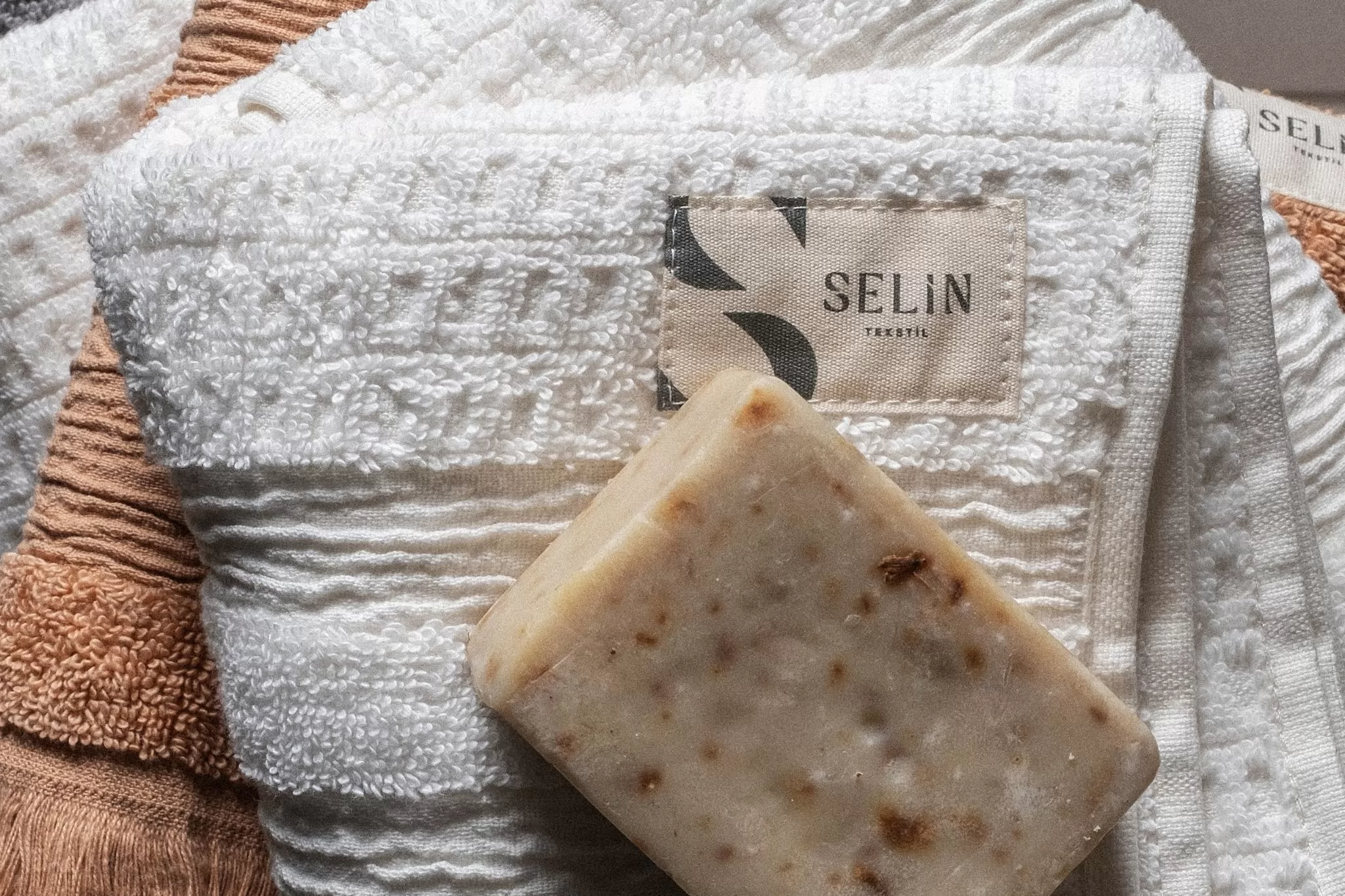
The textile industry covers a wide range of areas, from clothing to home textiles. Among these products, towels are an essential part of daily life. But have you ever wondered what a textile manufacturer is and how these products are brought to life? In this guide, we will explore the role of a textile manufacturer, with a special focus on towel production, while also examining the important roles of technology, sustainability, and branding in the industry.
Roles and Responsibilities of a Textile Manufacturer
The responsibilities of a textile manufacturer begin with sourcing materials and extend through the entire production process. A textile manufacturer is a company or entity that designs, produces, and distributes fabrics and textile products. This process ranges from processing raw materials such as cotton or wool to producing final goods like clothing, bedding, and towels.
The main production stages undertaken by a textile manufacturer include:
-
Raw Material Selection: Choosing high-quality fibers such as cotton, bamboo, or linen.
-
Spinning: Converting raw fibers into yarn.
-
Weaving or Knitting: Transforming yarn into fabric.
-
Dyeing and Finishing: Adding color, patterns, and final touches to the fabric.
-
Cutting and Sewing: Converting fabric into finished products such as towels, bathrobes, or sheets.
In short, the role of a textile manufacturer is to transform raw materials into high-quality textile products used in everyday life. A professional turkish towel manufacturer not only ensures this transformation but also guarantees consistency and durability in every production stage.
Key Focus Areas in Towel Production
One of the most important segments of the textile industry is towel production. Towels must provide maximum softness, absorbency, and durability. For this reason, high-quality raw materials such as Turkish cotton or Egyptian cotton are generally preferred.
The towel production process includes the following steps:
-
Material Selection: Long-staple, soft cotton fibers are preferred. Turkish cotton, in particular, stands out for its absorbency and premium feel.
-
Spinning: Cotton is transformed into strong and absorbent yarns.
-
Weaving: Terry weaving techniques are used to create looped surfaces that enhance absorbency.
-
Dyeing and Finishing: Various colors and softening treatments are applied.
-
Quality Control: Towels are tested for texture, absorbency, and softness.
This process shows that textile manufacturing is not only about production but also about combining craftsmanship with quality. Many premium products created through these processes are classified as luxury Turkish towels in global markets.
Stages of the Textile Production Process
To fully understand what a textile manufacturer is, it is important to know the general textile production process:
-
Fiber Production: Natural fibers such as cotton, linen, or bamboo are harvested, cleaned, and prepared for spinning. Synthetic fibers (like polyester) are produced through chemical processes.
-
Spinning: Cleaned fibers are turned into yarn, directly affecting softness and durability.
-
Weaving or Knitting: Yarn is converted into fabric, with terry weaving commonly used for towels.
-
Dyeing and Printing: Fabrics are dyed with vibrant, long-lasting colors and sometimes printed with patterns.
-
Finishing: Processes are applied to improve softness, shrink resistance, and water-related properties.
-
Cutting and Sewing: Fabric is cut into towel sizes and stitched for durability.
-
Quality Control: Each product is tested to meet industry standards.
The Strategic Role of Technology in Textile Production
Technology plays a major role in modern textile manufacturing. When defining what a textile manufacturer is, these technologies must also be considered:
-
Automatic Looms: Enable high-speed and precise weaving.
-
CAD Software: Allows digital pattern design and fabric optimization.
-
Digital Dyeing Machines: Provide vibrant colors with reduced water usage.
-
Sustainable Production Systems: Reduce waste and energy consumption.
Thanks to these technologies, production has become faster, more efficient, and environmentally friendly. An advanced turkish towel manufacturer integrates these innovations to maintain high standards and scalability.
Sustainability and Ethical Production Approach
Today, sustainability is more important than ever. A responsible textile manufacturer must include environmentally friendly practices:
-
Organic Cotton Usage: Safer for both the environment and human health.
-
Water Saving: Modern dyeing systems reduce water consumption.
-
Waste Reduction: Digital cutting and automation minimize fabric waste.
-
Ethical Production: Fair wages, safe working conditions, and respect for workers’ rights are essential.
These practices are especially important for brands producing luxury Turkish towels, where quality and responsibility go hand in hand.
The Importance of Branding and Marketing in the Textile Industry
Finally, branding plays a crucial role in defining what a textile manufacturer is. Especially in competitive segments like towels, the right branding strategies make a difference:
-
Luxury Brands: Emphasize premium materials such as Turkish cotton.
-
Sustainable Brands: Focus on eco-friendly production and organic content.
-
Handcrafted and Traditional Techniques: Create a perception of uniqueness and quality.
Brand value, combined with product quality, production processes, and corporate values, allows towels to stand out from competitors.
Creating a Difference in Textile Production with Quality, Tradition, and Innovation
Our Turkish cotton towels are produced using traditional weaving techniques, bringing luxury into your home. With exceptional softness, absorbency, and timeless quality, our collection stands out—start exploring now and experience the difference.