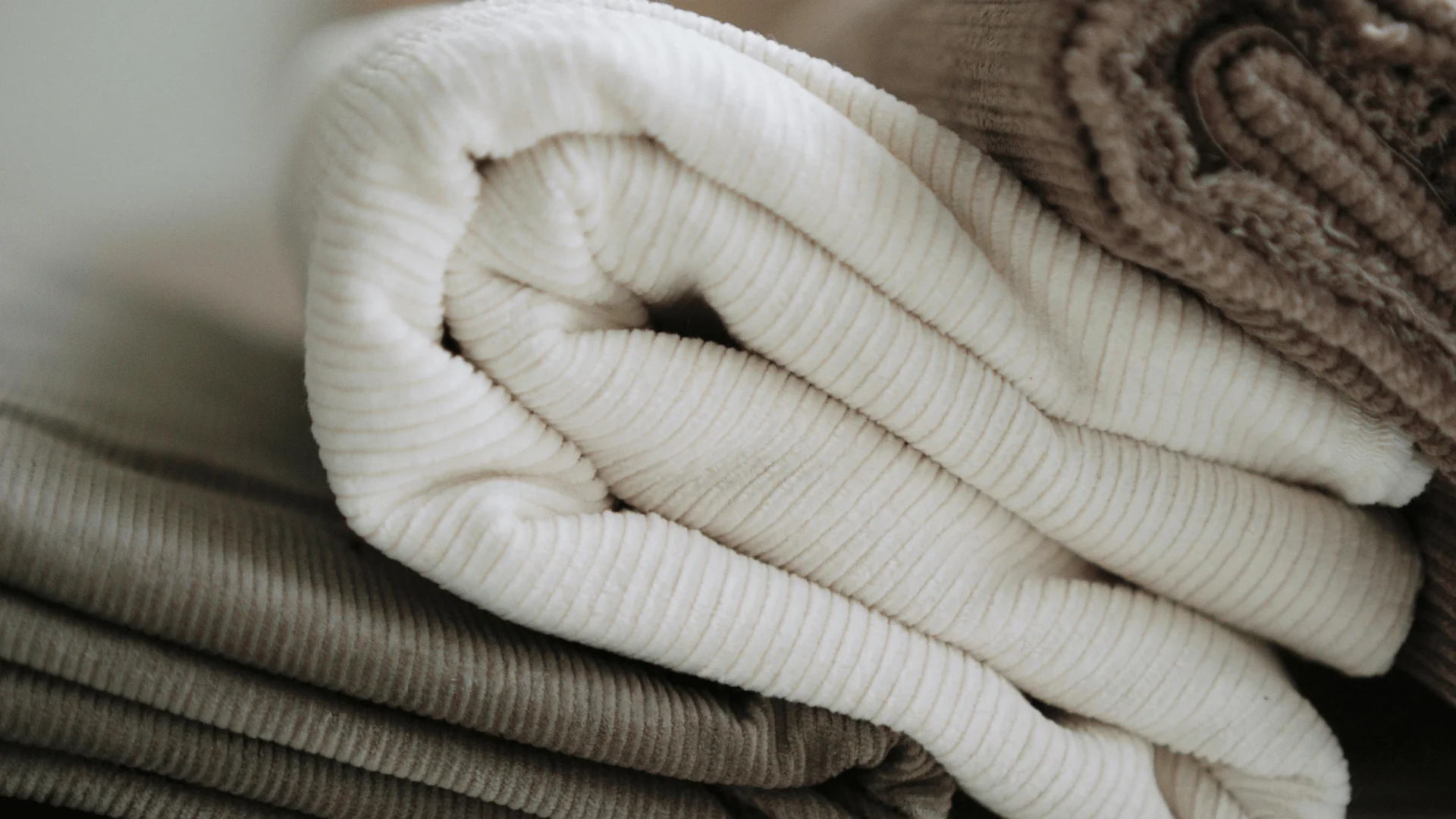
Dish towels are one of the most frequently used textile products in kitchens, restaurants, hotels, and food service businesses. The fabric quality directly affects absorbency, durability, hygiene, and long-term operational costs. Choosing the right cotton fabric helps businesses improve kitchen efficiency while maintaining a professional and clean working environment.
Commercial kitchens require textiles that can withstand constant washing, heavy daily use, and repeated exposure to moisture. This is why many buyers work with a reliable kitchen towel manufacturer when selecting products designed for professional use. Fabric structure, yarn quality, and weaving technique all play an important role in determining overall towel performance.
Why Fabric Selection Matters for Commercial Dish Towels?
Dish towels used in commercial environments face much harsher conditions than household textiles. Restaurants, hotels, cafes, and catering companies use towels continuously throughout the day, which means fabric quality directly impacts product lifespan and kitchen hygiene standards.
Poor-quality fabrics often lose absorbency after repeated washing cycles. In busy kitchens, this creates inefficiency because staff need to use multiple towels for tasks that should require only one. Businesses that source products from experienced towel fabric manufacturers usually prioritize fabrics specifically engineered for commercial durability and moisture control.
The right cotton fabric also supports better sanitation practices. Fast-drying materials reduce moisture retention, helping minimize unpleasant odors and bacterial growth. For professional kitchens, fabric selection is not only about comfort but also operational performance and hygiene consistency.
Best Cotton Fabrics Used in Dish Towels
Different cotton fabrics offer different advantages depending on how the towels will be used. Some fabrics prioritize absorbency, while others focus on quick drying or lightweight handling in fast-paced kitchens.
The most commonly used cotton fabrics for commercial dish towels include:
| Fabric Type | Key Strength | Best Use |
|---|---|---|
| Terry cotton | High absorbency, strong moisture retention | Dish drying, heavy kitchen tasks |
| Waffle-weave cotton | Lightweight, fast drying | Restaurants/cafés, fast towel turnover |
| Ring-spun cotton | Softness, long-lasting durability | Hotels, premium use |
| Plain-weave cotton | Smooth surface, low linting | Glassware and delicate surface cleaning |
| Organic cotton blends | Sustainability-focused | Eco-conscious businesses |
Each fabric type serves different operational needs. Hotels may prioritize softness and appearance, while restaurants often focus on durability and rapid moisture absorption. Choosing the right structure improves both performance and cost efficiency over time.
Difference Between Terry Cotton and Waffle Weave Dish Towels
Terry cotton and waffle weave fabrics are among the most popular options for commercial dish towels, but they serve different purposes in professional kitchens. Understanding these differences helps businesses choose products that align with their operational requirements.
Terry cotton features looped fibers that create a thick and highly absorbent surface. This structure makes it ideal for drying dishes, handling spills, and heavy cleaning tasks. Many businesses working with a kitchen towel manufacturer prefer terry cotton for high-volume kitchens because of its strong moisture retention capacity.
Waffle weave towels, on the other hand, have a textured grid pattern that improves airflow and drying speed. These towels are lighter, easier to handle, and less bulky during storage. They are commonly used in restaurants and cafes where quick drying and frequent towel rotation are important.
Both fabric types offer advantages, but the choice depends on usage intensity, drying expectations, and washing frequency. Commercial buyers often combine both styles to create a more flexible kitchen textile system.
Why Ring-Spun Cotton Is Preferred for Professional Kitchens
Ring-spun cotton is widely used in premium commercial textiles because of its stronger and smoother yarn structure. The spinning process twists and softens cotton fibers more effectively, resulting in a fabric that feels softer while maintaining higher durability.
Professional kitchens benefit from ring-spun cotton because these towels remain functional even after hundreds of industrial washing cycles. Compared to standard cotton fabrics, they produce less lint and maintain their structure longer. Businesses sourcing from experienced towel fabric manufacturers often choose ring-spun cotton products for long-term operational reliability.
Another important advantage is comfort during repetitive daily use. Kitchen staff handle towels constantly throughout shifts, so softer fabrics improve usability without sacrificing performance. This balance between durability and comfort makes ring-spun cotton highly valuable in hospitality environments.
As sustainability and cost efficiency become more important in commercial textile purchasing, durable cotton fabrics continue to gain popularity among hotels and food service businesses.
How Absorbency Affects Dish Towel Performance?
Absorbency is one of the most critical factors in determining whether a dish towel performs efficiently in commercial kitchens. Towels that absorb moisture quickly help staff work faster and reduce the need for excessive towel usage during service hours.
Several factors influence absorbency performance:
-
Fabric density and loop structure.
-
Cotton fiber quality.
-
Weaving technique.
-
Yarn spinning method.
-
Washing and finishing processes.
Highly absorbent towels also contribute to better hygiene management. Faster moisture removal helps reduce water accumulation on surfaces, improving kitchen cleanliness and safety. Businesses that invest in high-quality cotton fabrics often experience lower replacement costs because efficient towels maintain their functionality longer.
In hospitality operations where speed and cleanliness directly affect customer experience, absorbency becomes a practical business consideration rather than simply a comfort feature.
Which Cotton Fabric Is Best for Hotels and Restaurants?
Hotels and restaurants often require different towel characteristics because their operational environments vary significantly. Hotels usually focus on presentation, softness, and premium guest perception, while restaurants prioritize durability and continuous functionality.
For hotels, waffle weave and ring-spun cotton towels are commonly preferred because they offer a cleaner appearance, softer texture, and quick drying properties. These fabrics also complement modern hospitality aesthetics while maintaining practical performance.
Restaurants and commercial kitchens often choose terry cotton because of its superior absorbency and resistance to heavy daily use. Businesses working with a professional kitchen towel manufacturer frequently customize towel weight, weave density, and fabric composition based on operational demands.
The best solution for many hospitality businesses is often a combination of multiple towel types designed for different tasks within the same facility.
Important Features Businesses Should Look for in Dish Towels
Selecting commercial dish towels involves more than simply choosing a cotton fabric. Businesses should evaluate several technical and operational factors before placing large-volume textile orders.
Important features include:
-
High absorbency for fast cleaning performance.
-
Industrial washing durability.
-
Low lint production.
-
Fast drying capability.
-
Strong stitching and edge reinforcement.
-
Soft texture for repeated handling.
-
Consistent fabric quality across bulk orders.
Working with experienced towel fabric manufacturers also helps businesses maintain product consistency over long-term supply agreements. Reliable manufacturing standards reduce operational risks and support better inventory planning for hospitality brands.
The right cotton dish towel improves kitchen efficiency, supports hygiene standards, and reduces replacement frequency over time. For hotels, restaurants, and catering companies, fabric quality plays a direct role in both operational performance and customer satisfaction.